

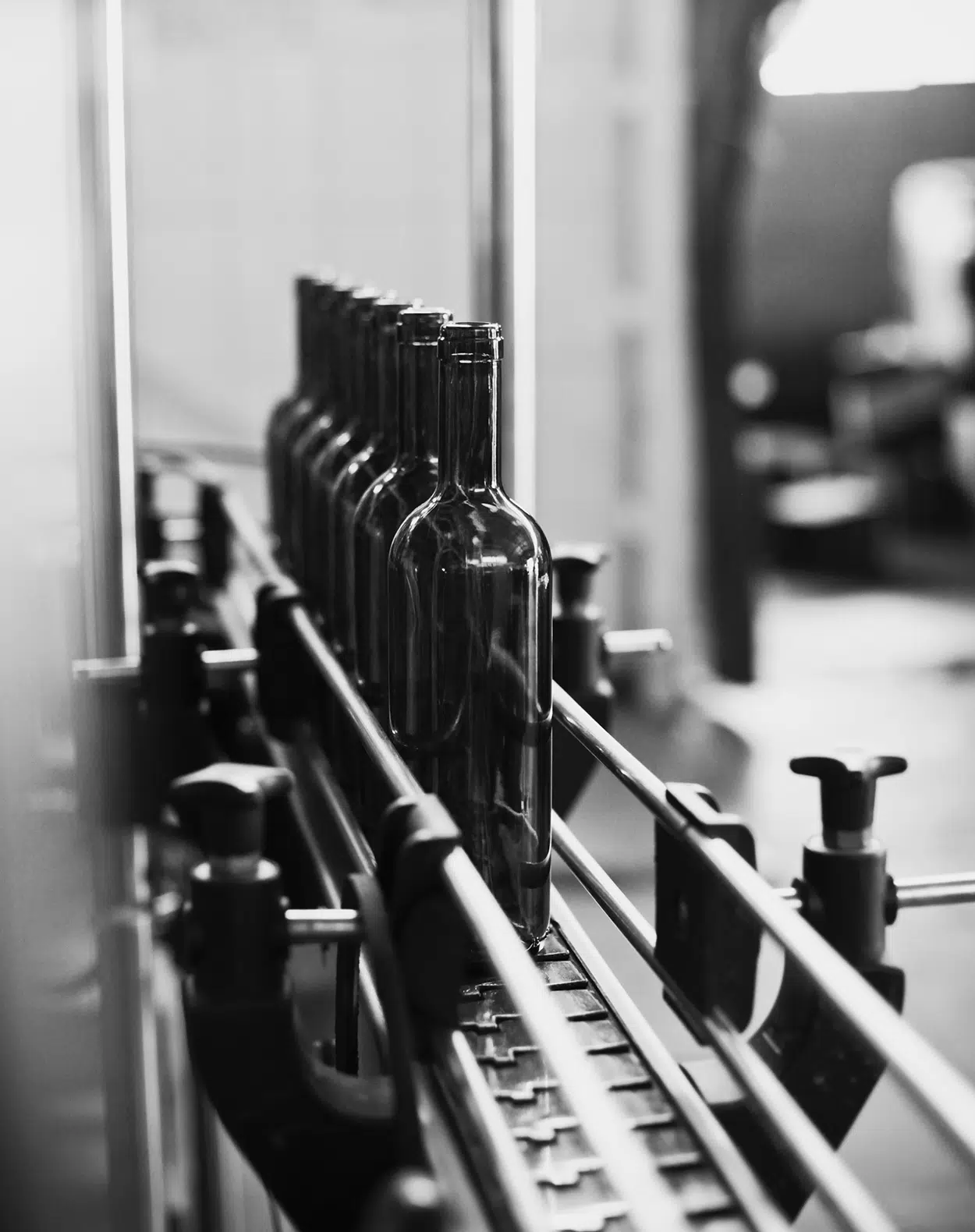
 In production, management’s task is to effectively schedule the multitude of component processes that run in series or in parallel. In operations that are process-oriented, management must schedule resources and output around the limiting constraints (process bottlenecks). These are often “make-to-stock” type of operations. In more customized fabrication and assembly-oriented operations (more “make-to-order”), management must schedule and adjust available resources to match the fluctuations in demand. That can be a little trickier depending on how variable, or predictable, the demand happens to be. In either type of environment, opportunities arise when organizations don’t control and manage the component parts that make up the whole.
In an ideal production environment, work moves through the process according to a well sequenced and well executed schedule. But as operations grow and get more complex, scheduling becomes increasingly difficult. Production is not always effectively scheduled, or controlled, based on the specific tasks required from input to output in terms of labor and machine hours. Many companies invest in ERP systems but they are rarely used as they were designed.
The results of a breakdown in scheduling coordination is low productivity, extended cycle times and an inability to consistently meet scheduled shipping dates. When these things happen, production can end up working off rush, short and late lists (often in response to sales concerns), with the front-line supervisors trying to pull the work through the plant in a reactionary mode.
So the key to finding opportunity is to focus on the scheduling coordination. Here are the critical control processes in production where opportunity often can be found:
- Demand forecasting
- Equipment and facilities planning
- Production planning
- Order scheduling
- Loading and scheduling of machines
- Planning and scheduling of labor
- Planning and control of material
- Quality control
- Equipment maintenance
